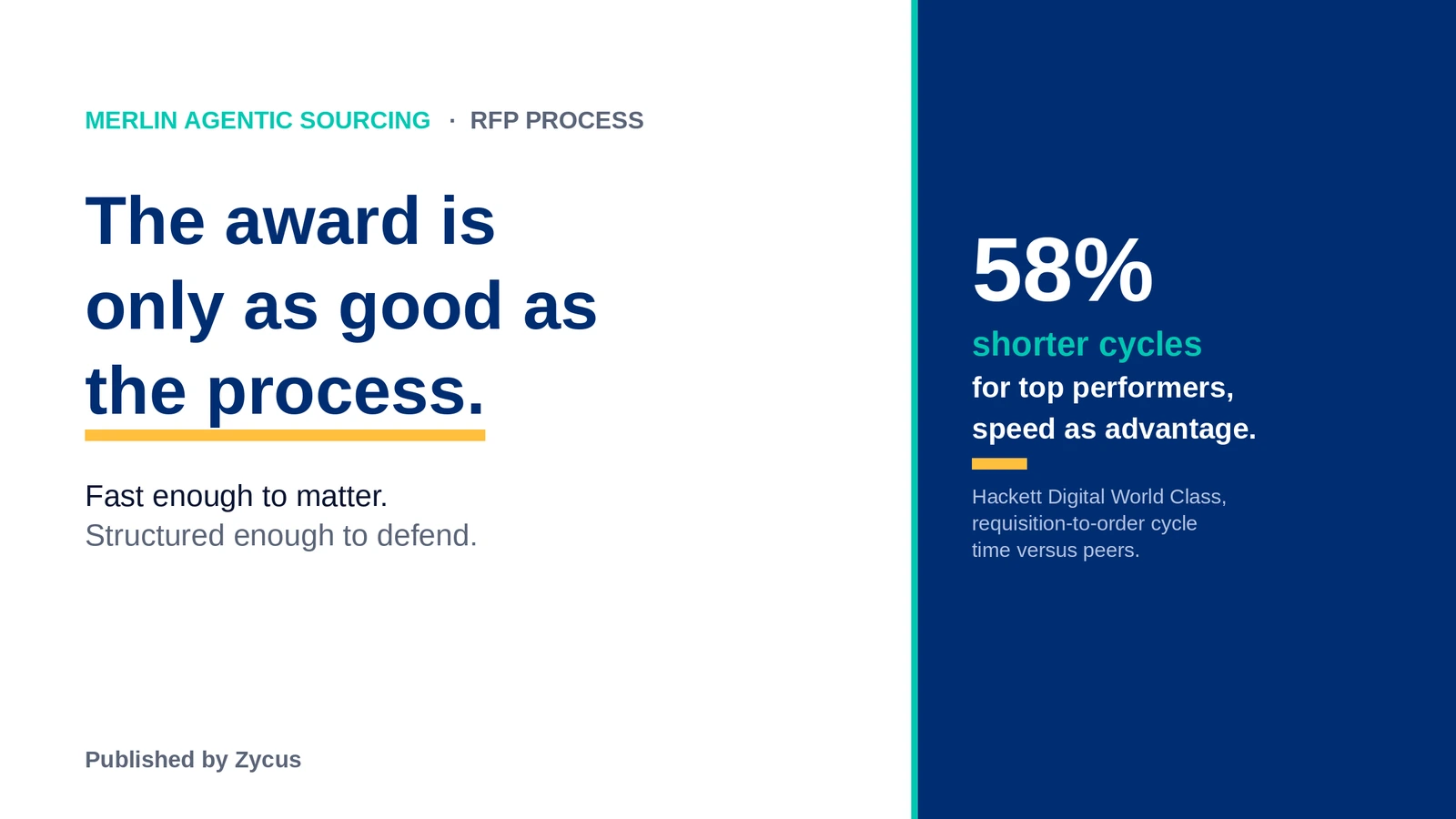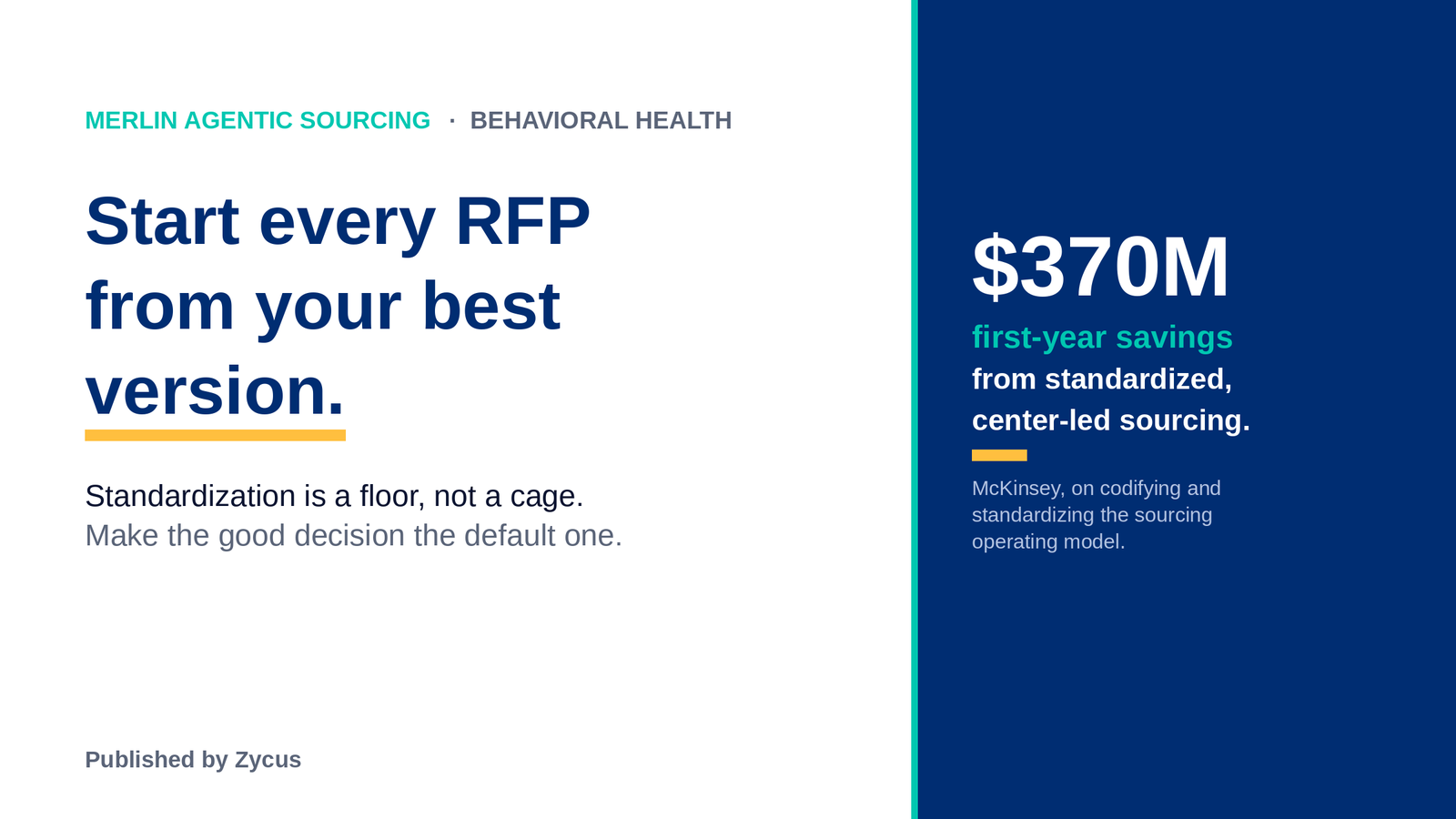









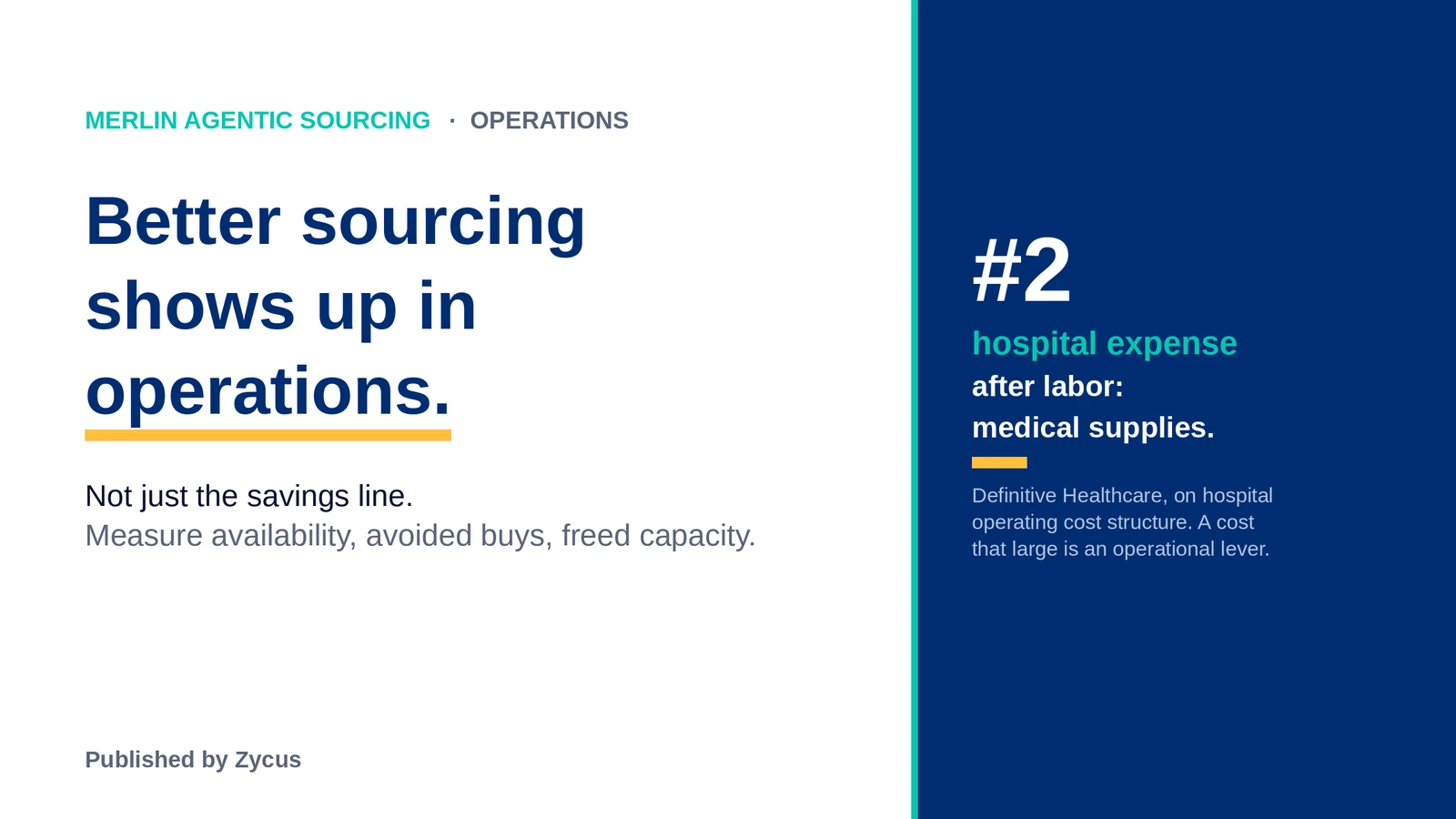

Medical supplies represent the second-largest cost a health system controls, with hospital supply expenses climbing steadily each year. Yet, treating sourcing strictly as a financial line item leaves immense operational value on the table. Implementing streamlined procurement directly improves hospital workflows by compressing the sourcing cycle and reducing costly operational delays. By shifting focus toward key operational metrics like time-to-availability and avoided emergency spend, supply chain leaders can eliminate stockouts, free up team capacity, and keep clinical operations running smoothly. Procurement is one of the largest cost centers a health system controls. When sourcing gets faster and sharper, the effect shows up in operations, not just the savings line.
TL;DR
- Procurement is one of a health system’s largest controllable costs, second only to labor, so improving it moves operational numbers, not just savings.
- The scale is large and rising: hospital supply expenses hit $146.9 billion in 2023 (about 10.5% of budget, per AHA) and grew 9.9% in 2025.
- The operational effect of better sourcing shows up as fewer delays, less emergency buying, and capacity redirected from tactical work.
- Measure what matters: time-to-availability, avoided emergency purchases, and capacity freed, not just unit-price savings.
- Merlin Agentic Sourcing is designed to compress the sourcing cycle, which is where the operational effects begin.
Procurement is usually measured on savings, but in a health system its larger footprint is operational. Supplies and services are among the biggest costs a hospital controls, and the speed and quality of sourcing shape how reliably those supplies and services are in place. When sourcing improves, the effect is visible in operations, in fewer delays, less firefighting, and capacity that shifts from tactical buying to higher-value work.
Why is procurement an operational lever, not just a cost line?
Because of its sheer size in a hospital’s cost structure. According to Definitive Healthcare’s analysis of hospital cost data, medical and surgical supply costs are the second-largest category of hospital operating expense, behind only employee salaries. The scale is not abstract: the American Hospital Association reports that hospital medical supply expenses reached $146.9 billion in 2023, about 10.5% of the average hospital’s budget, second only to labor at roughly 60%. A cost that large is not a line item to be trimmed at the margin. It is a lever whose performance, how efficiently it is sourced, how reliably it is available, ripples through operations.
When a category that big is sourced well, the organization runs more smoothly and spends less firefighting. When it is sourced badly, the effects are felt not only in the budget but in the day-to-day ability to keep services supplied. That is why procurement performance is an operational question, not merely a financial one. Treating a cost of that magnitude as a mere savings target rather than an operational lever leaves most of its value on the table, since the operational effects dwarf the marginal unit-price gains.
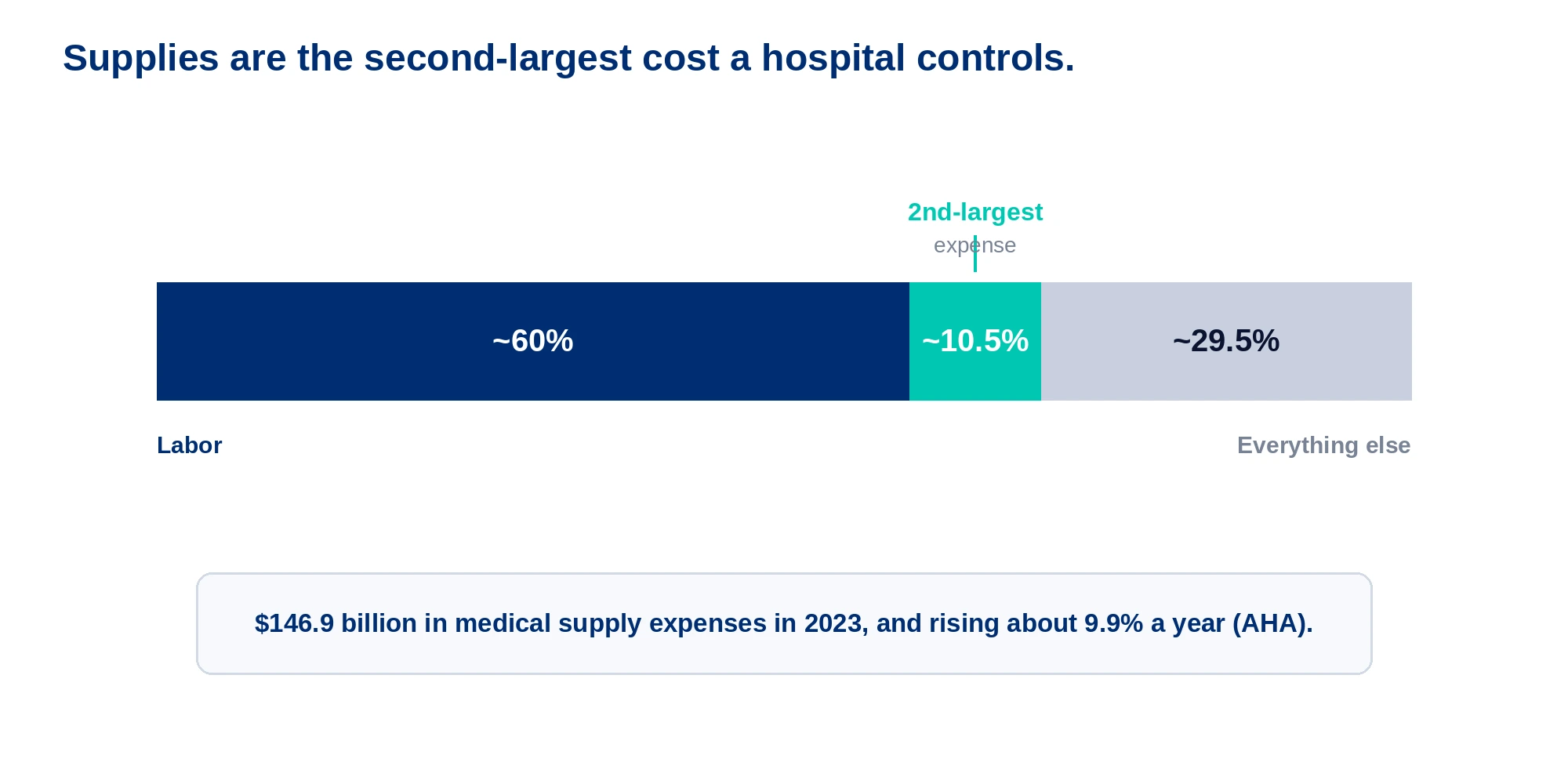
Figure 1. Supplies are the second-largest cost a hospital controls: about 10.5% of the average budget behind labor at roughly 60%, and $146.9 billion in medical supply expenses in 2023, rising about 9.9% a year.
What operational symptoms trace back to slow or weak sourcing?
Several, and they are usually attributed to other causes. Emergency purchases at premium prices, made because a sourcing decision was too slow and a supply ran short. Deployment delays, where new equipment or a new service waits on a contract that is still in the sourcing queue. Overstocking and the carrying cost that comes with it, a hedge against unreliable sourcing. Staff time consumed by tactical, repetitive buying that never gets automated. Each of these looks like an operational problem in isolation, but many of them trace back to a sourcing process that is too slow, too manual, or too inconsistent to keep ahead of demand.
And the pressure is rising: the AHA reports hospital supply expenses grew 9.9% in 2025, outpacing overall inflation, so the cost of sourcing this category badly climbs every year. Improving the sourcing improves the operational symptom, which is the connection most savings-only measurement misses. Naming the connection matters, because a symptom attributed to the wrong cause gets the wrong fix, and no amount of operational firefighting will resolve a problem that actually lives in the sourcing process.
Which metrics actually capture procurement’s operational impact?
Not unit-price savings alone, which is where most measurement stops. Three operational metrics capture more. Time-to-availability: how long from identifying a need to having the supply or service in place, which is what deployment delays and emergency buys actually measure. Avoided emergency spend: the premium purchases prevented because sourcing kept ahead of need. And capacity redirected: the share of the team’s time that moves from tactical buying to strategic work, which is both a cost and a capability gain.
These metrics track a real operational and financial toll: a 2024 Premier survey of healthcare and supply leaders found that 39% had to cancel or reschedule procedures at least quarterly because of product shortages, at an average cost of about $3.5 million a year for a midsize health system, which is exactly the operational and financial toll that time-to-availability and avoided emergency spend are built to measure. These metrics tie procurement to operations rather than to the savings report, and they are the ones a chief operating officer, not only a CFO, will recognize as their own.
These are the numbers an operations leader already tracks in spirit, which is why framing procurement in these terms is what finally makes it legible to the people who run the hospital day to day.
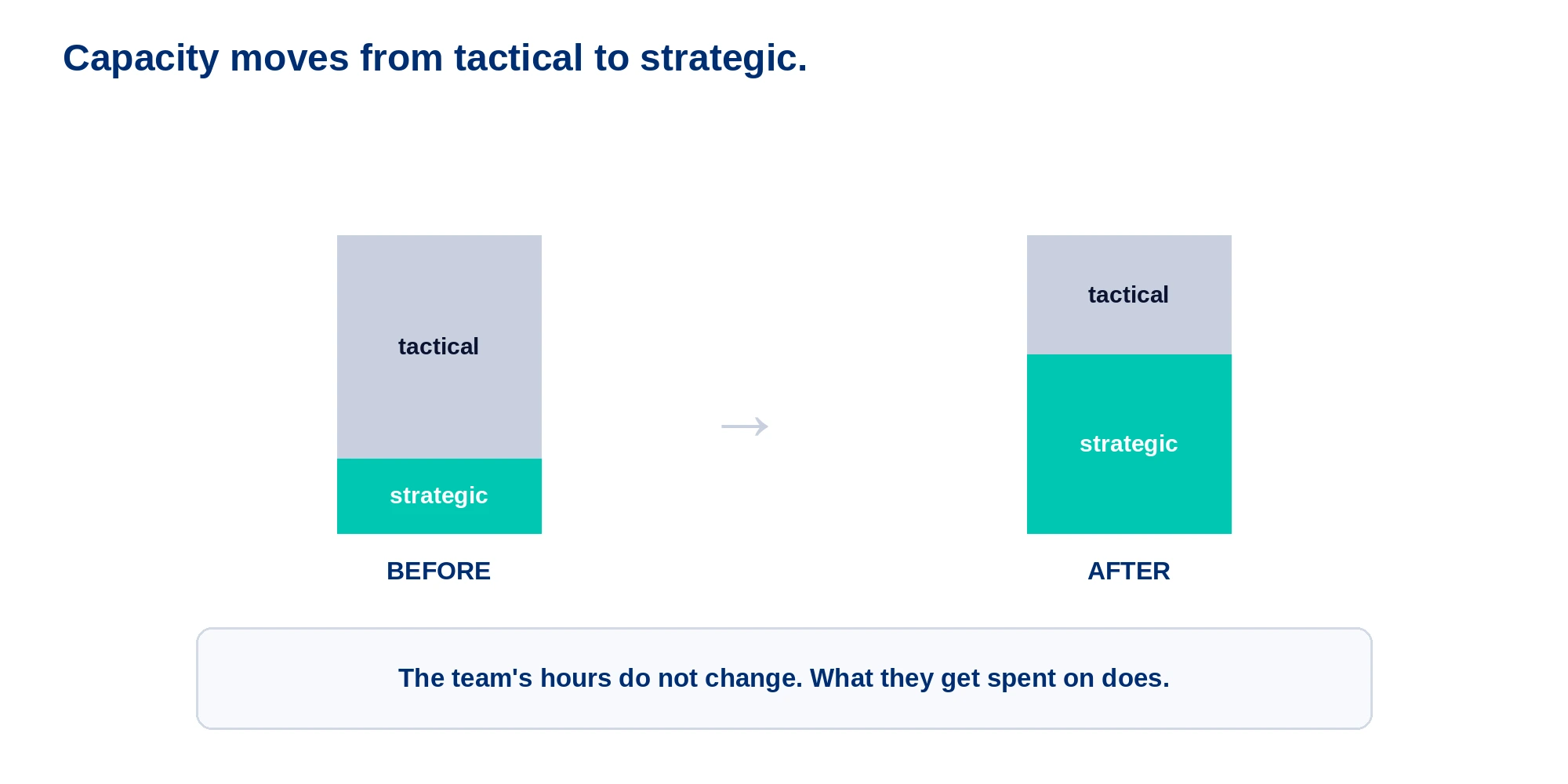
Figure 2. Better sourcing does not change how many hours the team has. It changes what those hours are spent on, shifting capacity from tactical buying to strategic work.
How do you measure operational impact without overclaiming a clinical one?
By staying in the operational and financial lane and being honest about the boundary. It is legitimate to measure that better sourcing reduced time-to-availability, cut emergency purchasing, and freed team capacity. It is not legitimate to claim, without evidence, that procurement improved clinical outcomes, and a credible case does not reach for that. The honest framing is that streamlined procurement improves the operational conditions, supply reliability, timely deployment, freed capacity, that clinical operations depend on, while leaving the clinical outcome itself to be measured by those equipped to measure it.
Overclaiming a clinical result is the fastest way to lose the credibility the operational case has earned. The operational impact is real and measurable on its own terms, and it does not need to borrow a clinical claim to matter. Credibility, once spent on an overclaim, is very hard to earn back, and the operational case is strong enough that it never needs to borrow against a clinical result it cannot substantiate.
Where does agentic sourcing change the operational numbers?
At the source of most of these symptoms, the length and consistency of the sourcing cycle. Merlin Agentic Sourcing is designed to run a sourcing category from problem statement to award in a compressed cycle, which is the variable that time-to-availability, emergency buying, and deployment delay all depend on.
A shorter, more consistent sourcing cycle means fewer situations where a supply runs short before its contract is settled, and less need to overstock as a hedge. As a pre-launch product its cycle figures are design-intent rather than proven results, so they belong in an operational model as the lever applied to your own measured baseline, not as a promised operational outcome. The point is the mechanism: the operational effects begin with the sourcing cycle, which is exactly what the tool is built to compress.

How do you build the operational baseline to measure against?
Measure the three operational metrics for your own last year before modeling any change.
- For time-to-availability, take the median span from identified need to supply in place across a representative set of categories.
- For avoided emergency spend, you first need the current level: what did premium emergency purchases actually cost last year.
- For capacity, estimate the share of the team’s hours currently going to tactical buying.
These three numbers are the baseline the operational impact is measured against, and without them any claim of improvement is a borrowed figure rather than your own. The discipline is the same one that makes a financial case credible: measure your starting point, then measure the change against it. Everything downstream, the availability, the avoided emergency buys, the freed capacity, follows from that cycle, which is why compressing it is the highest-leverage change available.
How do you present the operational case to clinical and financial leaders together?
By translating sourcing performance into the terms each leader owns. For the CFO, the case is avoided emergency spend and reduced carrying cost, hard numbers against a documented baseline. For the chief operating officer or clinical operations leader, the case is time-to-availability and deployment reliability, the operational conditions their teams depend on. For both, the capacity freed from tactical buying is a shared gain, cost saved and capability added.
Presented this way, procurement stops being a savings function that reports to finance alone and becomes an operational lever that both leaders have a stake in. That reframing is often what unlocks the investment, because the operational impact reaches leaders the savings line never spoke to. That baseline discipline is unglamorous, but it is the difference between an operational claim a COO will act on and a vendor figure a COO will politely ignore.
Read More About Benchmarking Procurement Performance: Where Do You Stand in 2025?
Conclusion
Moving beyond simple unit-price savings proves that streamlined procurement is a critical lever for hospital resilience. Compressing your sourcing cycle directly improves time-to-availability, maximizes avoided emergency spend, and gives health systems greater control over rising hospital supply expenses. When purchasing aligns with operational priorities, clinical teams get the supplies they need without unnecessary friction.
Ready to measure your supply chain by its real operational impact? Request a demo today to see how Zycus Merlin Agentic Sourcing compresses sourcing timelines and strengthens healthcare operations.
Frequently Asked Questions
Q1. What operational problems come from slow sourcing?
Emergency purchases at premium prices when a supply runs short, deployment delays when equipment waits on an unsettled contract, overstocking and its carrying cost as a hedge against unreliable sourcing, and staff time consumed by tactical buying. Many operational symptoms trace back to a sourcing process too slow, manual, or inconsistent to keep ahead of demand.
Q2. What metrics measure procurement’s operational impact?
Time-to-availability (from identified need to supply in place), avoided emergency spend (premium purchases prevented), and capacity redirected (team time moved from tactical buying to strategic work). These capture operational impact better than unit-price savings alone and speak to a chief operating officer, not only a CFO.
Q3. Can procurement improvements be linked to clinical outcomes?
Improvements should be measured in operational and financial terms, supply reliability, timely deployment, freed capacity, rather than claimed as clinical outcomes without evidence. Streamlined procurement improves the operational conditions clinical operations depend on, while the clinical outcome itself is left to those equipped to measure it. Overclaiming a clinical result undermines credibility.
Q4. How does Merlin Agentic Sourcing affect operational metrics?
It is designed to compress the sourcing cycle from problem statement to award, which is the variable time-to-availability, emergency buying, and deployment delay all depend on. A shorter, more consistent cycle means fewer short-supply situations and less need to overstock. Its cycle figures are design-intent for a pre-launch product, applied to your own baseline.
Q5. How do you build a procurement operational baseline?
Measure three numbers for your own last year: median time-to-availability across representative categories, the actual cost of emergency premium purchases, and the share of team hours going to tactical buying. These are the baseline improvement is measured against, without which any claim is a borrowed figure rather than your own.
Q6. How do you present procurement’s value to both finance and operations?
Translate sourcing performance into each leader’s terms: avoided emergency spend and reduced carrying cost for the CFO, time-to-availability and deployment reliability for the operations leader, and freed capacity as a shared gain. This reframes procurement from a finance-only savings function into an operational lever both leaders have a stake in.
Q7. Why is supply spend such a large lever in a hospital?
Because medical and surgical supplies are the second-largest category of hospital operating expense after employee salaries. The AHA reports supply expenses reached $146.9 billion in 2023, about 10.5% of the average hospital budget, and grew 9.9% in 2025. A cost that large, and rising, ripples through daily operations when sourcing is slow or unreliable, which is why sourcing performance is an operational question.